




Extending CPE Life Cycles Without Sacrificing Security
AUGUST 13, 2024
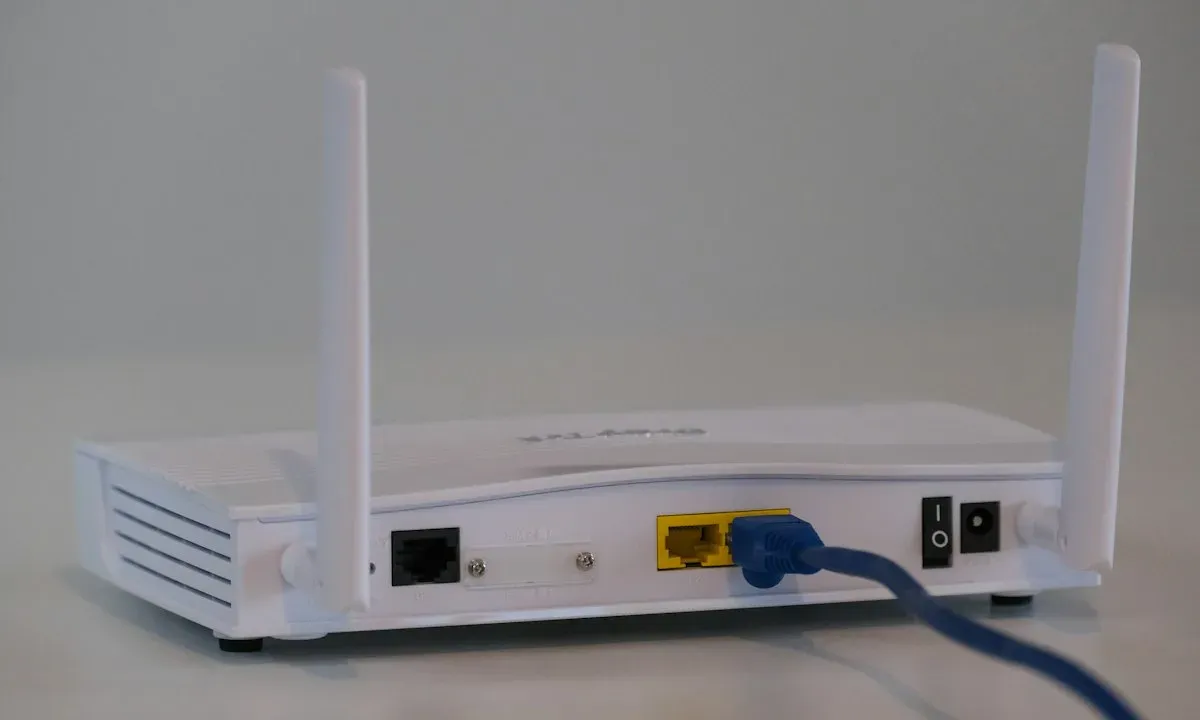
Customer-premises equipment fails in two ways. It breaks, or it stays up and falls behind on firmware until it should not be on the network. Both are operations problems. Neither requires replacing every device in the same quarter.
Write a firmware rule. Which models you still buy, who applies updates, and what the maintenance window is. A managed service can own that. A customer-run network needs a named person. IDEANET supplies routers, switches, access points, and firewalls, and can ship them pre-provisioned so a replacement matches the site template instead of becoming a new design.
Keep spares for the models you actually have, in the cities where a visit is realistic. A spare in a central warehouse does not help a hotel on a Saturday if nobody can reach the building. Jakarta, Surabaya, and Bali are the offices that coordinate field work. Other cities follow the rollout plan.
Stage the replacement. Sites with the oldest firmware or the highest fault rate go first. A branch program that standardizes CPE makes this cheaper the second year, because the estate is one template, not a collection of one-off installs. Security features you may be adding at the same time, such as a newer firewall, VPN, or endpoint detection, belong in that same schedule so you are not touching the rack twice.
Budget it as either capital replacements or an operating service. CapEx-to-OpEx is available when the customer wants the refresh inside the managed contract. The statement of work should list the models and the sites. A "lifecycle program" without that list is a slogan.